The Pole-Barn Paradox
The pole-barn paradox is a famous variation on the twin paradox which must be addressed with the ideas of simultaneity in relativity. The fact that two events are simultaneous in one frame of
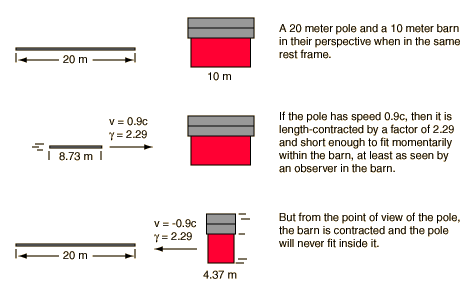
To calculate the times for the two frames of
Barn frame of
The barn is considered to the be the
| The back of the pole enters the barn before the front of the pole leaves, so a 1 ns gate could be closed on both ends, containing the entire pole. |
Pole frame of
|
From the pole point of view, the front gate closes just as the back of the pole enters. The surprising result is that the back gate is seen to close earlier from the pole framework, before the front of the pole reaches it. The gate closings are not simultaneous, and they permit the pole to pass through without hitting either gate. |
| The Bug-Rivet Paradox |
| Relativity |